.webp)

The clinical case for All-on-4 and All-on-6 over conventional dentures is strongest not on surgery day but over the following 10–20 years. The procedure is the starting point; the long-term benefits are what make the upfront investment rational. Here is what those benefits look like clinically, and what patients must do to achieve them.
Bone Preservation: The Benefit Most Patients Underestimate
After tooth extraction, the alveolar bone that supported the roots loses its mechanical loading stimulus and begins resorbing — typically 25% of ridge width in the first year, with continued resorption over subsequent years. Conventional dentures rest on this resorbing ridge without providing any bone-loading stimulus. The result over a decade: diminished ridge height and width, progressively poor denture fit, and measurable facial structural changes (sunken lower face, shortened lower face height).
Implants transmit occlusal load directly into the bone through the titanium-to-bone interface, replicating the stimulus that natural tooth roots provided. Bone at the implant site is maintained. The facial structural consequence — preserved cheekbone support, maintained lip fullness, no progressive facial collapse — is clinically and aesthetically significant at the 10-year mark. This cannot be achieved with dentures of any type.
Bite Force Restoration
Conventional dentures restore approximately 20–25% of natural dentition bite force. Implant-supported overdentures: 35–45%. Fixed All-on-4 or All-on-6: approximately 70–80%. This difference is functional: patients with fixed implants describe being able to eat foods they had avoided for years — raw vegetables, salads, harder proteins. Diet breadth affects nutritional intake; restricted dietary intake due to dental function has measurable downstream systemic health consequences, particularly in older patients.
Long-Term Implant and Prosthesis Survival
Published All-on-4 survival data from multiple independent centres: 95–98% implant survival at 10 years. The implant fixtures in the jawbone typically outlast the prosthetic bridge. Acrylic-on-metal bridges: functional lifespan 8–12 years before refurbishment or replacement. Monolithic zirconia bridges: typically 15–20 years. When a prosthesis is replaced, the integrated implants are retained — a new bridge is fabricated and attached to the existing implants. This is structurally different from dentures, where total replacement is required as bone changes shape.
The Maintenance Required for Long-Term Success
Long-term success is maintenance-dependent, not passive. The core protocol at Dazzle:
Daily hygiene: Water flosser daily at medium pressure directed under the bridge (non-negotiable — a toothbrush cannot clean the pontic area effectively). Soft toothbrush twice daily around the bridge margins. Interdental brushes in the accessible gingival embrasures.
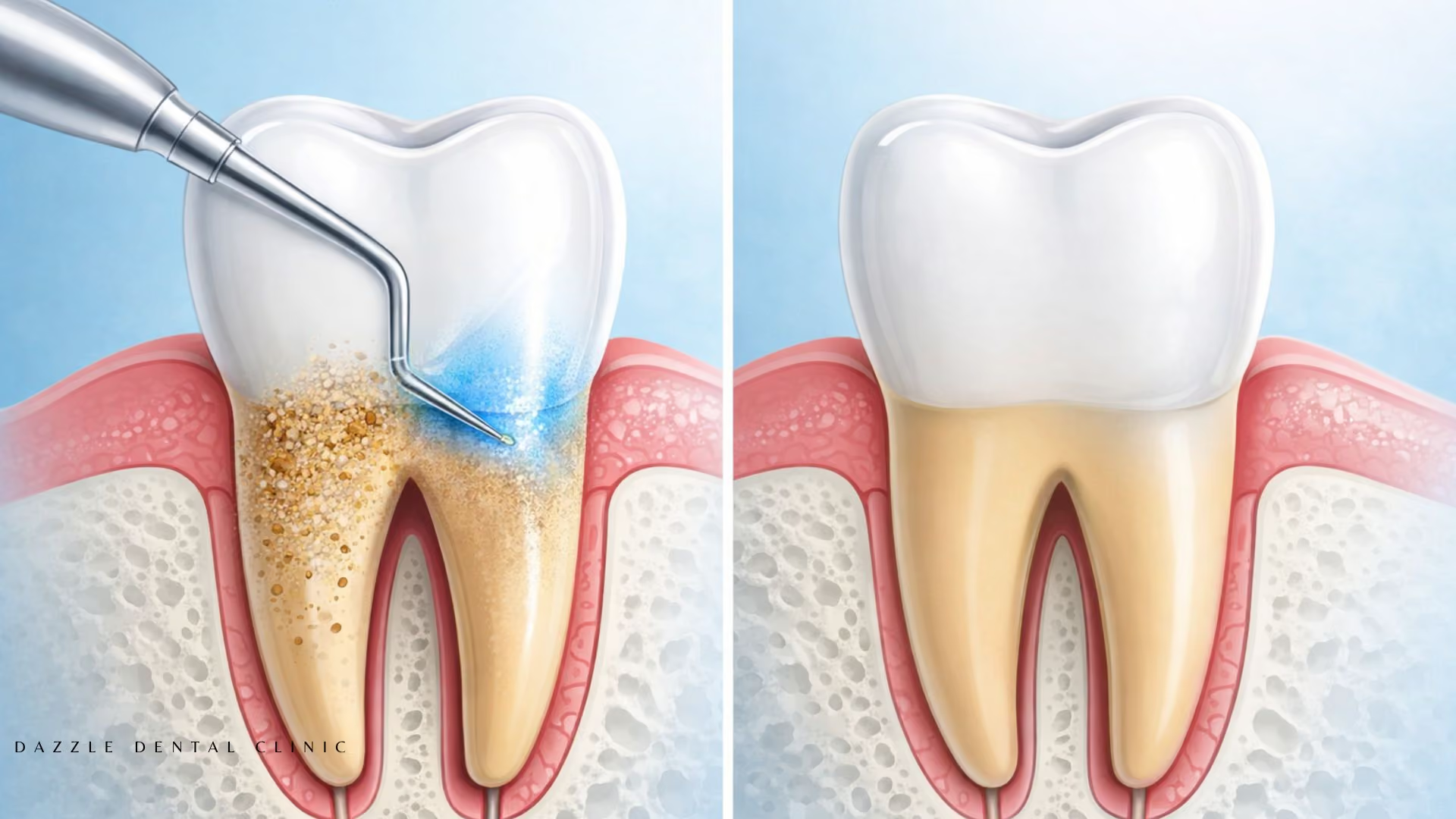
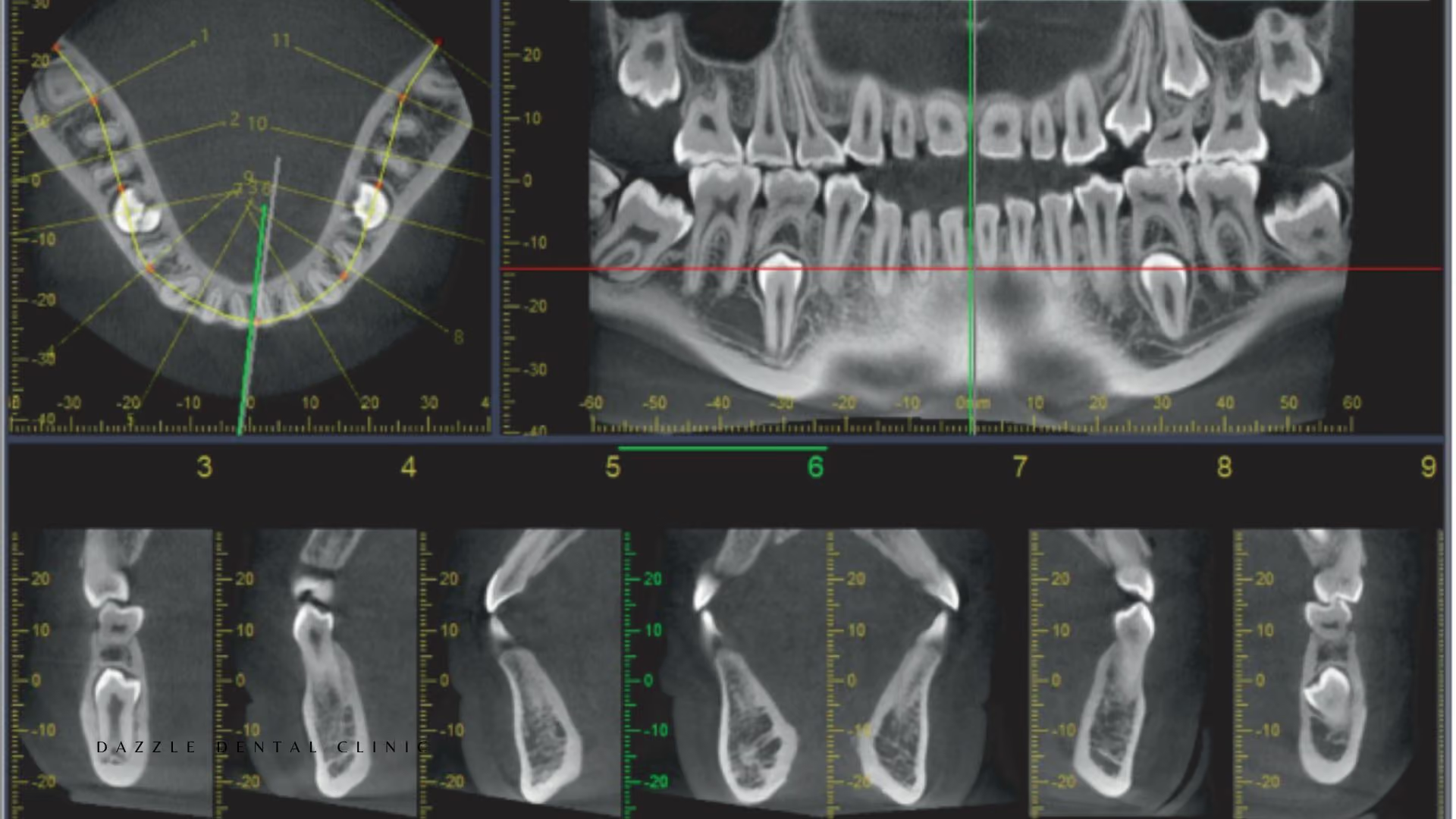
Professional cleaning: Biannual clinical cleaning with titanium-safe instruments and marginal bone level radiographs annually for the first two years, then every 2–3 years thereafter. The goal: detect peri-implantitis in its early, reversible stage before bone loss progresses. Peri-implantitis from inadequate biofilm control is the primary cause of late implant failure. For the detailed maintenance protocol, see our All-on-4 maintenance guide.
Nightguard for bruxists: Parafunctional grinding places forces on the prosthesis and implant-bone interface during sleep that accelerate prosthetic wear and promote marginal bone loss. A custom nightguard is prescribed for confirmed bruxists at Dazzle. The cost of nightguard replacement over 20 years is trivial relative to the cost of prosthesis repair caused by neglecting it.
Smoking cessation: Active smoking significantly increases peri-implantitis risk. Patients who continue smoking after implant placement should be aware this is the single modifiable factor most strongly associated with late implant failure. Dazzle counsel patients on this at the time of treatment and at maintenance appointments.
20-Year Cost-of-Ownership
Conventional dentures: lowest upfront cost, but relining every 2–3 years and replacement every 5–7 years accumulate. Overdentures: moderate upfront cost plus attachment replacement every 1–2 years. All-on-4: highest upfront cost, lowest ongoing maintenance — primarily biannual hygiene appointments and, for bruxism patients, nightguard replacement. The 20-year total cost of each option is considerably closer than the initial price difference suggests. See our comparison of All-on-4 versus dentures and overdentures for the detailed breakdown.
FAQs
Q1: Will the All-on-4 prosthesis need replacing eventually?
Yes. Acrylic bridges at 8–12 years; zirconia bridges at 15–20 years. The replacement involves removing the worn bridge and fabricating a new one on the existing integrated implants — not a repeat of the original surgery.
Q2: What happens to the bone around the implants over time?
1–1.5mm of marginal bone remodelling in the first 12–18 months after placement is normal. After stabilisation, bone levels remain relatively constant with appropriate hygiene. Progressive bone loss beyond this is a sign of peri-implantitis and must be treated promptly to prevent implant loss.
Q3: Are there foods I can never eat with All-on-4?
With the final zirconia bridge: most normal foods. Sustained biting into very hard items (hard ice, very hard nuts, hard toffee) is advised against because concentrated point loads cause microfractures in the prosthesis over time. This is a practical guideline, not a severe dietary restriction.
Q4: What is the most common reason All-on-4 fails after 10 years?
Peri-implantitis from inadequate daily biofilm control is the leading cause of late implant failure. Patients who maintain daily water flossing and attend biannual professional cleaning are overwhelmingly represented in the long-term success data. Maintenance is not optional — it is the clinical condition on which long-term success depends.

.avif)