.webp)

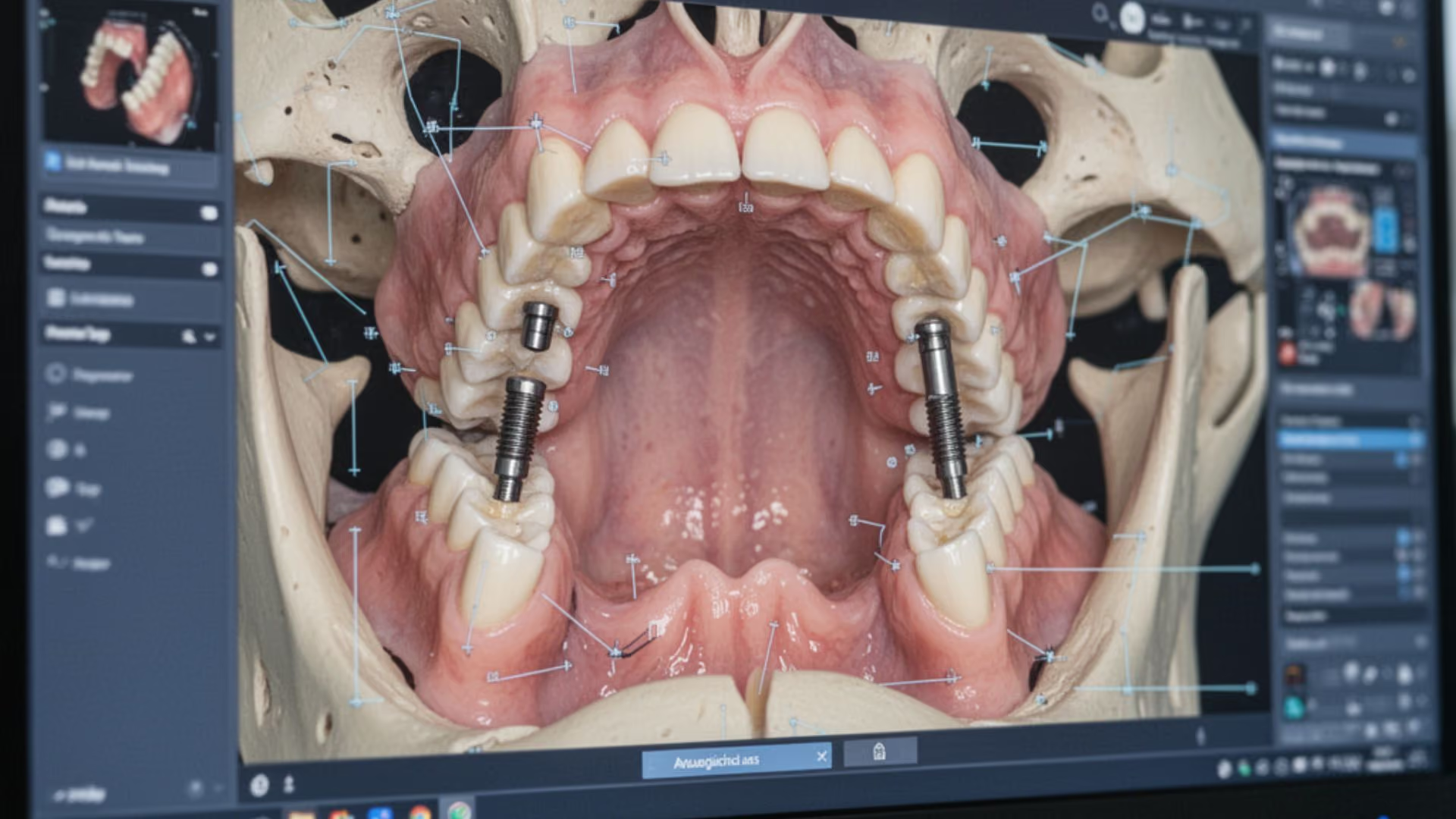
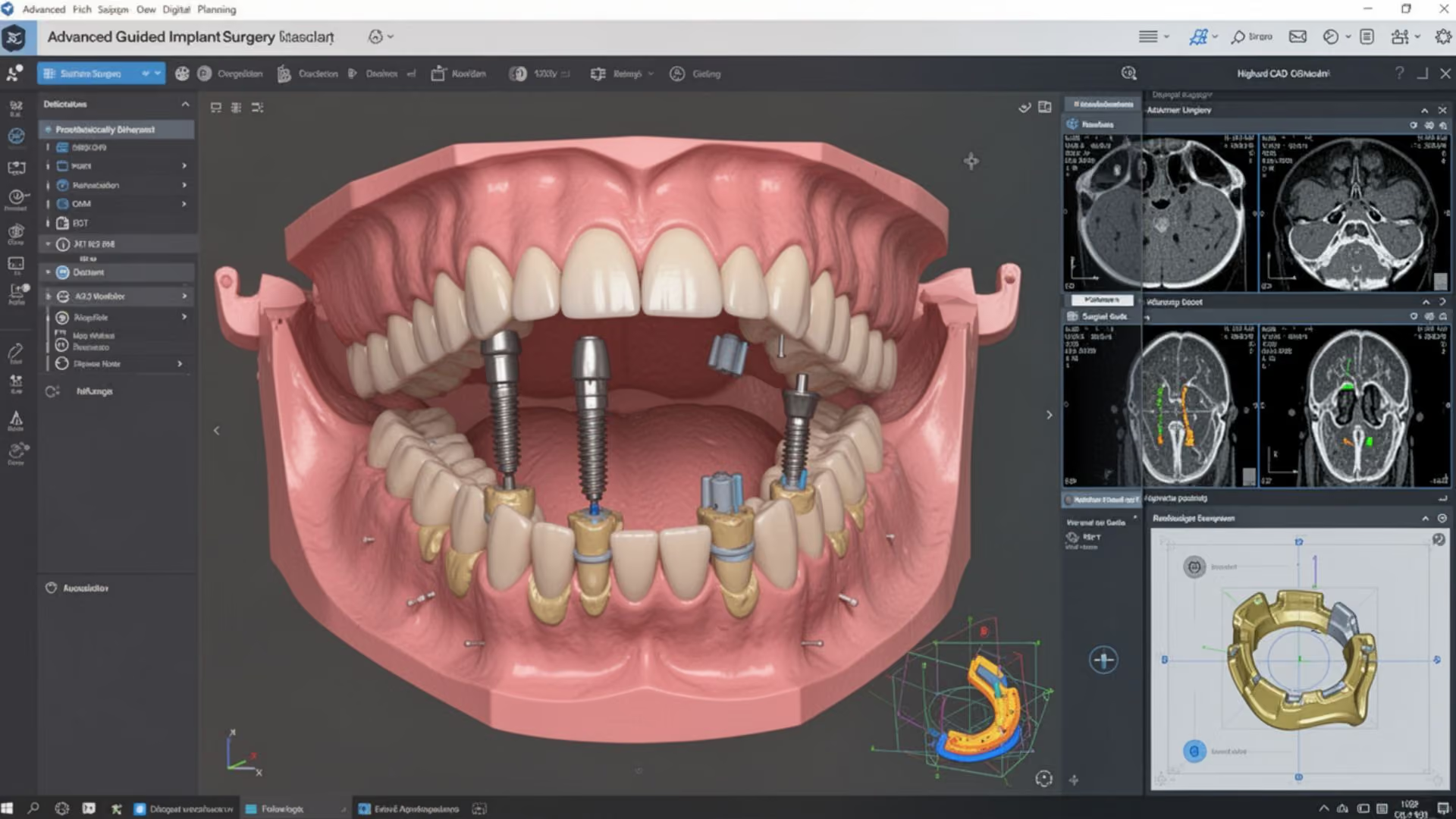
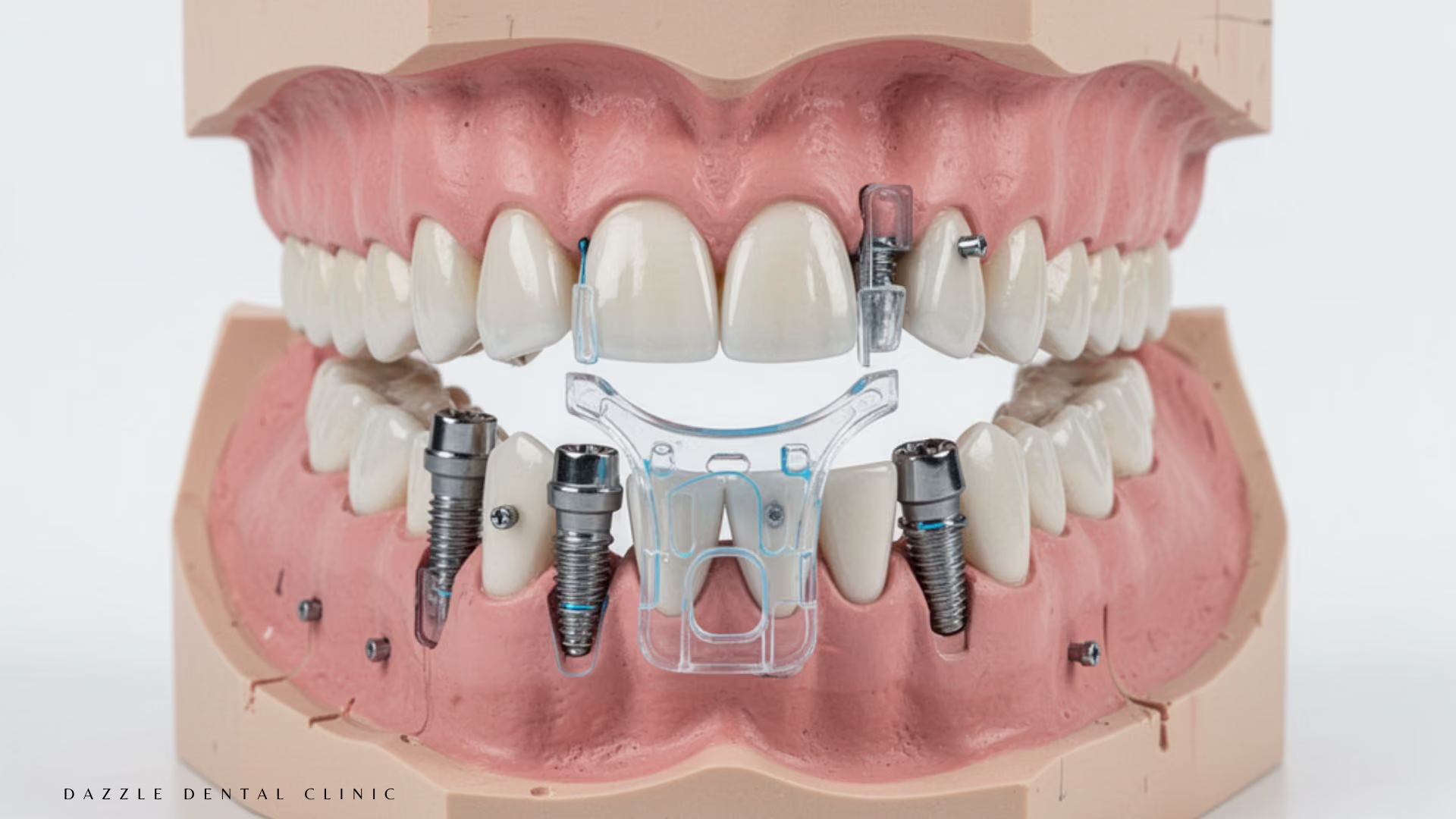
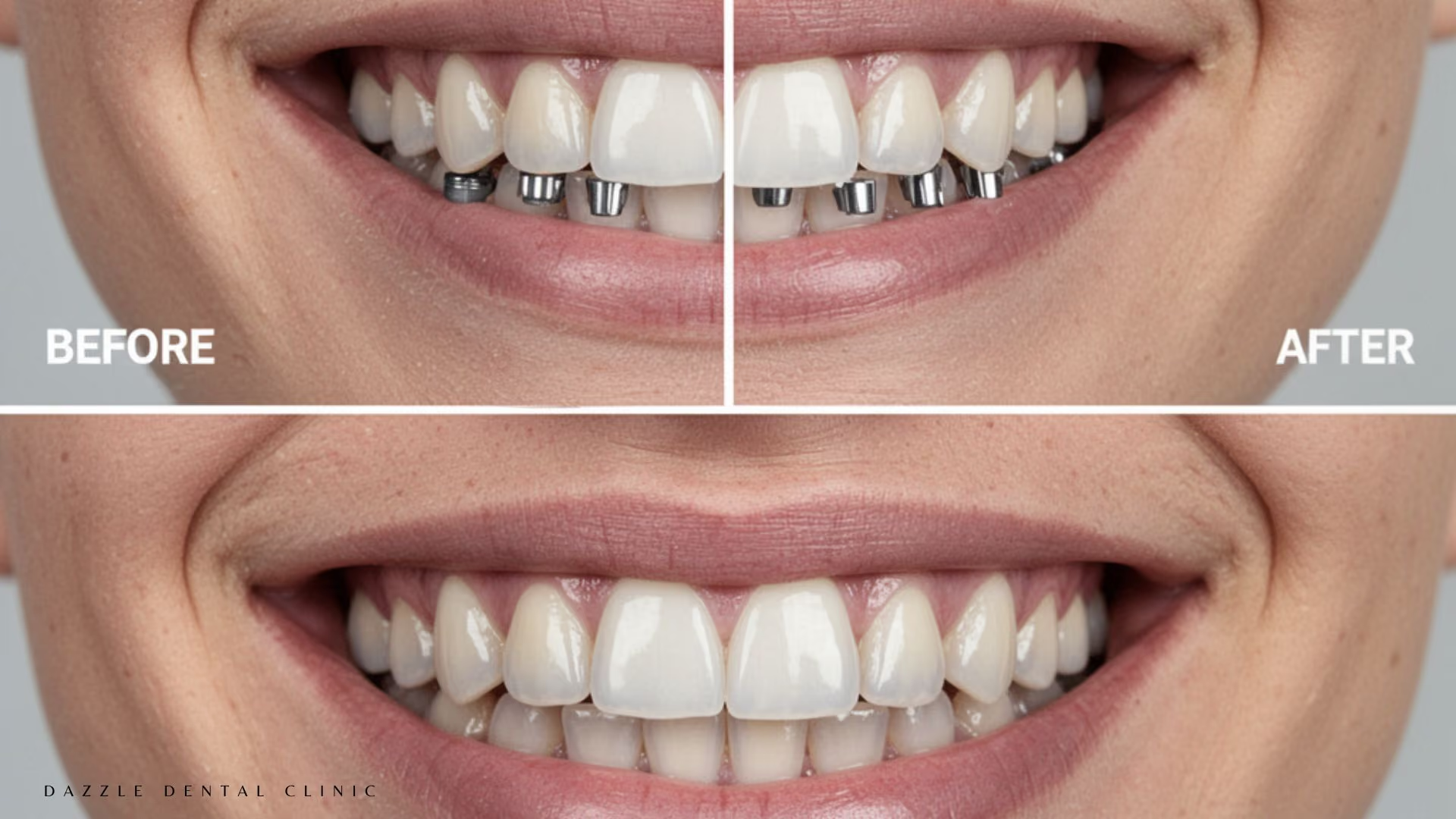
For patients with severe upper jaw bone loss who have been wearing dentures for years, the comparison between zygomatic implants and continuing with dentures is not primarily aesthetic — it is functional and biological. The differences are meaningful enough to change how a patient eats, how the jaw bone continues to behave over time, and what their face will look like in ten years.
What Dentures Actually Provide — and What They Don’t
Chewing efficiency: Full dentures restore approximately 20–25% of natural chewing power. A denture sitting on soft gum tissue without roots transmits forces through compliant tissue, not through rigid bone. Foods requiring sustained biting force are difficult or impossible to eat comfortably.
Bone resorption: This is the most clinically significant long-term difference. Bone requires mechanical stimulation to maintain its volume. Dentures do not transmit loading forces into the bone in a way that stimulates bone maintenance. Alveolar bone loss continues under dentures at approximately 0.5–1.0mm per year. Over 20 years, this resorption is visible: the face collapses inward and downward as the bone supporting it disappears.
What Zygomatic Implants Restore
Chewing efficiency: Implant-supported fixed bridges restore 70–80% of natural chewing force compared to dentures’ 20–25%. Patients can eat the same range of foods as those with conventional implants.
Bone maintenance: Where zygomatic implants contact the remaining alveolar bone and in the zygomatic body, mechanical stimulation from function maintains bone in those regions. The progressive full-face collapse seen with long-term denture use is halted.
Stability and confidence: A fixed bridge does not move, does not require adhesive, and does not need to be removed for cleaning. Patients describe the elimination of social anxiety about denture movement as one of the most significant quality-of-life changes.
Who Transitions from Dentures to Zygomatic Implants
The typical zygomatic implant patient was previously told they cannot have conventional implants due to insufficient bone — often after years of denture wear that has accelerated the bone loss. For the full patient guide to who qualifies, see our patient guide to advanced implant options.
FAQs
Q1: I’ve worn dentures for 20 years. Is it too late for zygomatic implants?
No. The zygomatic bone does not resorb regardless of how long the patient has been edentulous. Age is considered in the medical assessment but duration of denture wear does not disqualify zygomatic candidates.
Q2: Can I still use my denture during the healing period after surgery?
In immediate loading cases, a fixed provisional bridge is placed at surgery and the patient does not need or use a denture during healing.
Q3: Is the total cost of zygomatic implants much higher than continuing with dentures?
Dentures require replacement approximately every 5–7 years. The long-term cost comparison over a 15–20 year horizon is typically closer than patients expect.
Q4: How is maintenance different for a zygomatic implant bridge vs dentures?
Zygomatic implant bridge: brushed in place twice daily, water flosser under the bridge daily, professional cleaning with titanium-safe instruments every 6 months. The bridge is never removed by the patient. The hygiene routine is more similar to natural teeth than to denture management.