.webp)

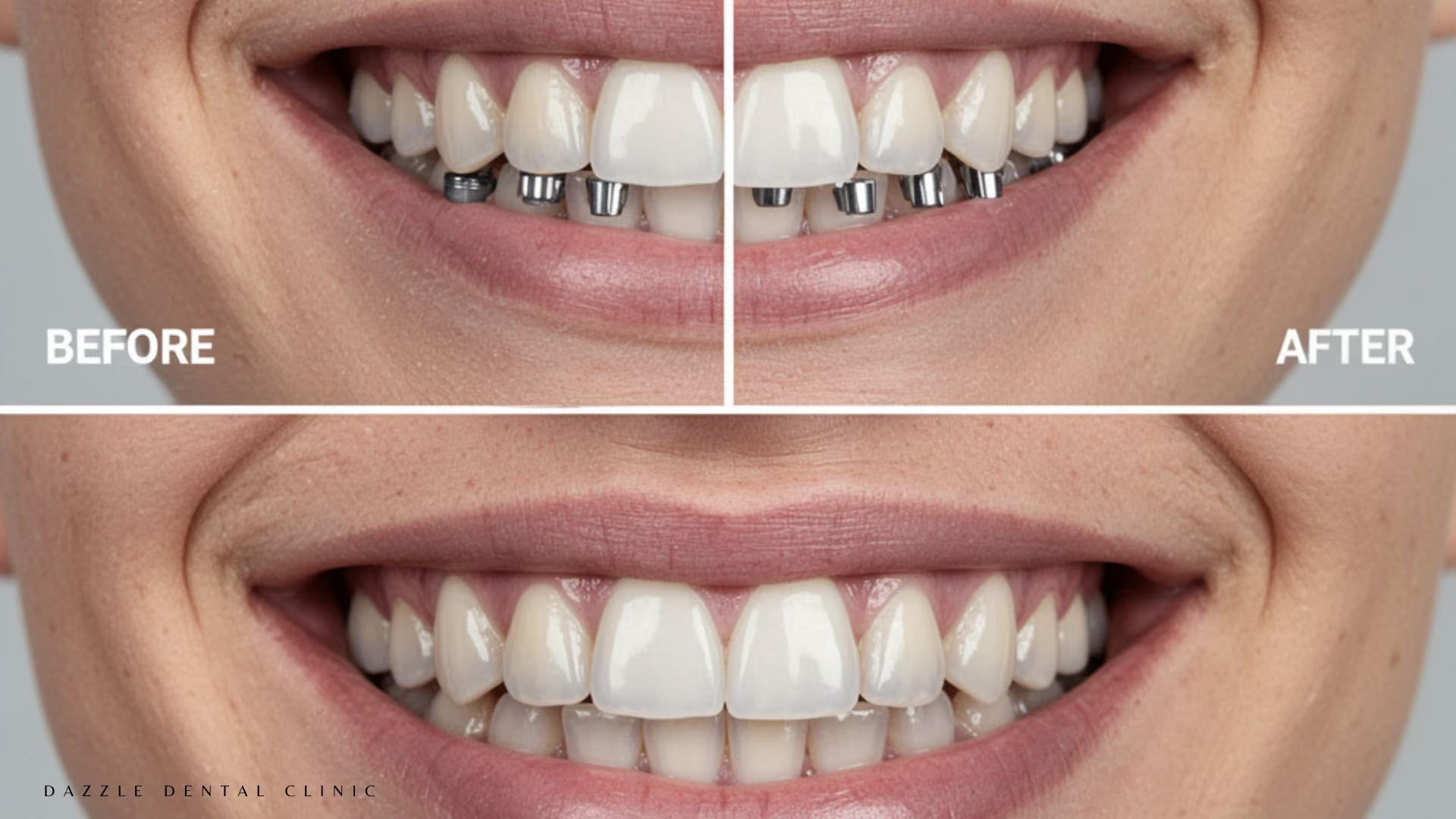
Full mouth implants — using All-on-4 or All-on-6 protocols — are the most transformative implant procedure in dentistry. A patient with no functional teeth, failing dentition, or long-term denture wear can arrive at Dazzle Dental Clinic in the morning and leave the same day with a fixed arch of teeth that does not come out. For patients who have lived with this limitation for years, the change in daily function and self-confidence is significant and immediate.
This article covers what the procedure involves, what the prosthetic bridge is made of, how All-on-4 and All-on-6 differ, and what to look for when choosing a clinic.
All-on-4 vs All-on-6: The Clinical Difference
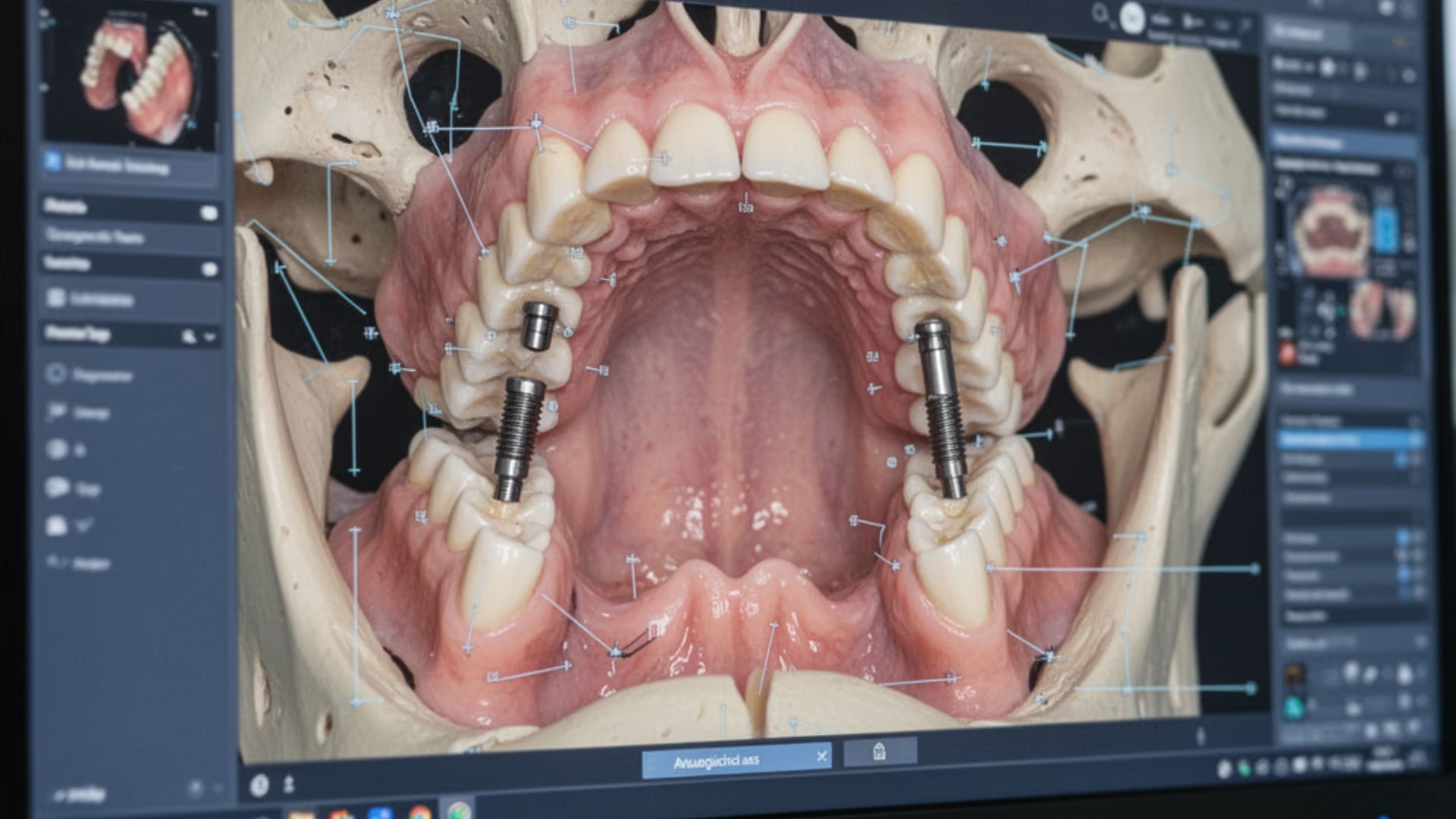
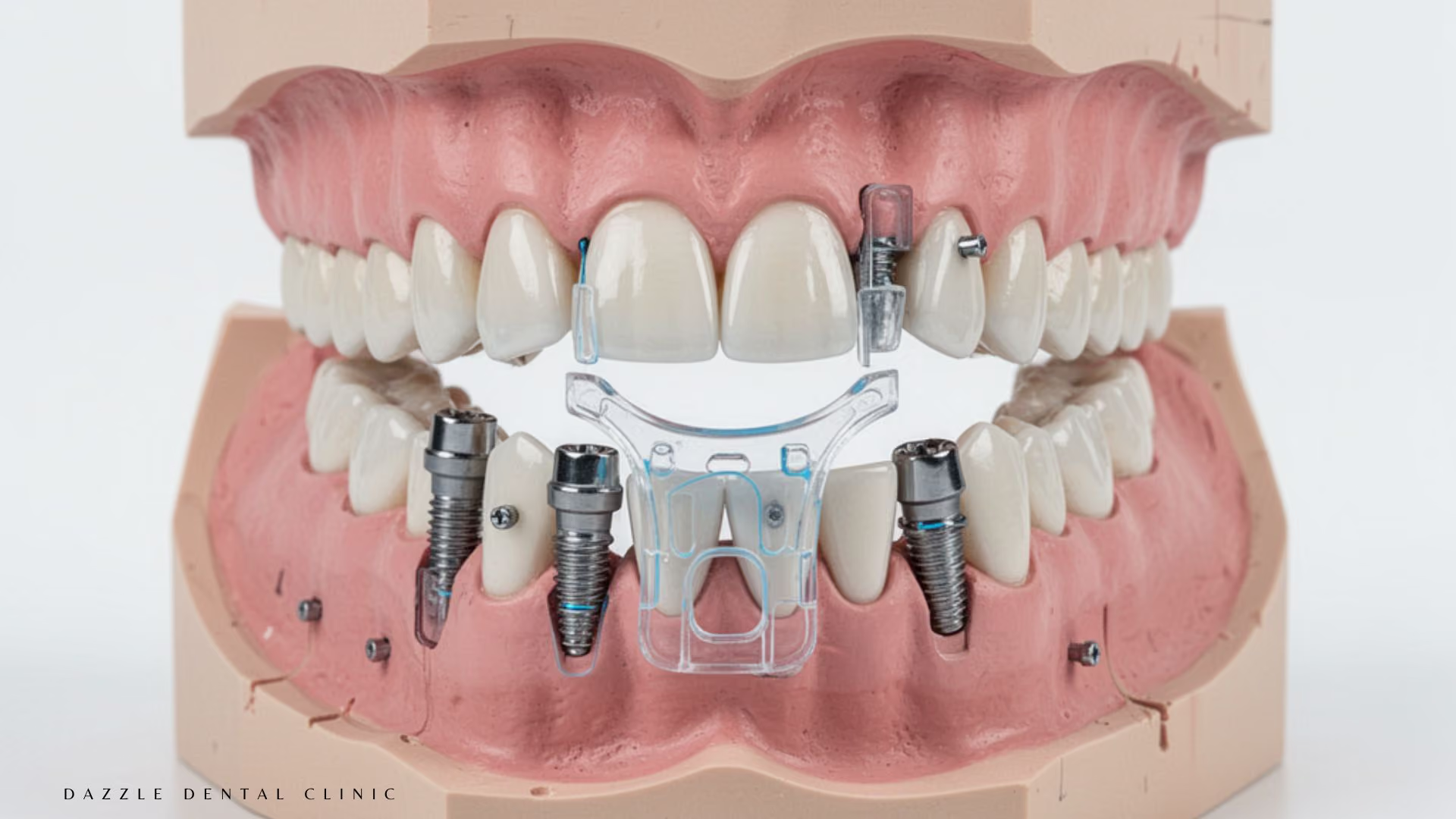
Both protocols place a fixed full-arch bridge on a small number of implants per arch. The difference is in load distribution and AP spread. All-on-4 uses four implants — two anterior (vertical) and two posterior (angled 30–45°) — achieving an AP spread of typically 20–25mm across the arch. All-on-6 adds two more implants, usually one additional per side, increasing the AP spread and reducing the distal cantilever length.
All-on-6 is preferable when bone volume permits the additional implants, when the patient has heavier bite forces, or when the All-on-4 AP spread would result in a distal cantilever longer than approximately 12–15mm. All-on-4 is mechanically adequate in well-selected cases and is the standard protocol for most full-arch patients at Dazzle.
The Prosthetic Options
Acrylic-on-metal (hybrid bridge): A metal framework with acrylic resin teeth. Lightweight, repairable, and the most cost-accessible option (the MIRA protocol at Dazzle: ₹2L per arch). Acrylic teeth wear over years and the bridge may require refurbishment after 5–10 years.
Monolithic zirconia: Milled from a single block of high-strength ceramic (1000–1200 MPa). No separate metal framework; the zirconia is the structural element. Superior aesthetics, maximum durability, no surface wear. At Dazzle, the standard final prosthesis for full-arch premium cases (₹3–4L per arch). Repairs are complex if chips occur — but fracture is uncommon at proper zirconia thickness.
Composite/PMMA provisional: The bridge placed on the day of surgery is typically acrylic or PMMA (polymethylmethacrylate). This provisional supports function during the osseointegration period (3–6 months) and is replaced with the final zirconia or hybrid bridge at the second visit.
What to Look for When Choosing a Clinic
Implant volume and documented outcomes: ask how many full-arch cases the clinic performs annually and whether they have radiographic follow-up data at 1–3 years. Dazzle has placed over 10,000 implants; full-arch cases are a significant portion of the current caseload.
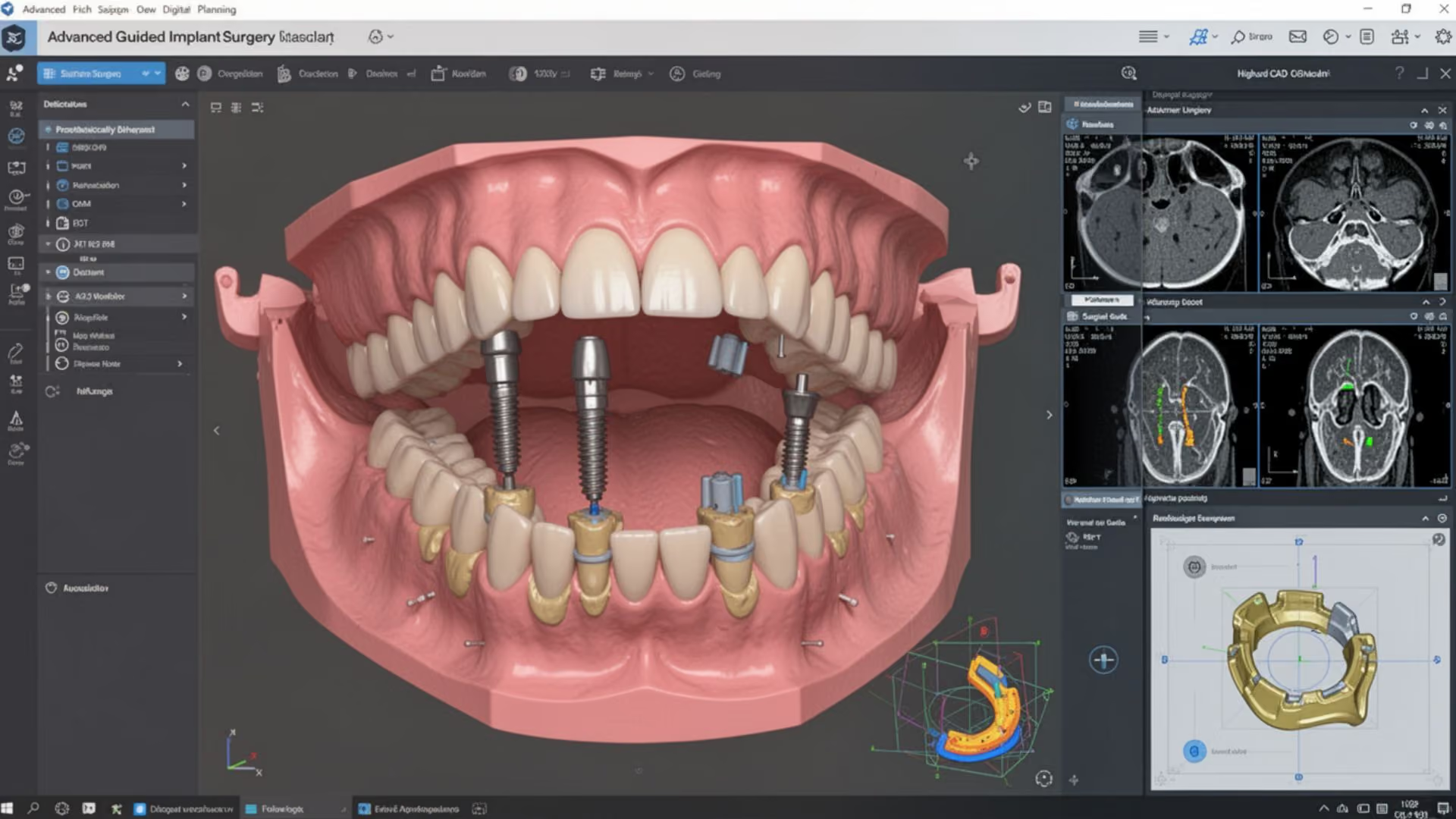
Digital planning and guided surgery: CBCT-based virtual implant planning with a 3D-printed surgical guide is the current standard. Freehand full-arch surgery without planning tools is not the preferred approach. Dazzle uses digital planning for all full-arch cases.
In-house laboratory: for international patients, the provisional bridge must be ready on the day of surgery. This requires the bridge to be designed and fabricated before the surgery begins — only possible with an in-house lab. External lab-dependent clinics cannot reliably deliver same-day provisional bridges to a fixed schedule.
Implant brand transparency: the clinic should be able to tell you the brand, model, diameter, and length of every implant placed and provide this in your discharge documentation. At Dazzle, this is standard.
FAQs
Q1: Can I get full mouth implants if I have no teeth at all?
Yes — All-on-4 and All-on-6 are designed for fully edentulous (no remaining teeth) patients. The bone assessment determines which protocol and configuration is appropriate. If all alveolar bone has resorbed to the point where conventional All-on-4 angulation cannot achieve stability, zygomatic implants are the alternative.
Q2: How long will full mouth implants last?
The implants themselves: 95–98% survival at 10 years in published data from multiple independent centres. The prosthesis (bridge) requires maintenance: acrylic-on-metal bridges may need refurbishment or acrylic replacement at 5–10 years; zirconia bridges are more durable. Regular 6-monthly implant hygiene appointments and annual screw torque checks extend the longevity of the full system.
Q3: What is the cost difference between All-on-4 and All-on-6?
At Dazzle, the cost difference reflects the two additional implants per arch and the slightly longer surgical time. Indicatively: premium All-on-6 ₹4–5L per arch vs All-on-4 ₹3–4L per arch. The MIRA protocol (cost-optimised) is available for All-on-4 only at ₹2L per arch.
Q4: Is it possible to upgrade from a temporary provisional bridge to a final zirconia bridge later?
Yes — this is the standard two-visit protocol. Visit 1 (day of surgery): provisional bridge placed. Visit 2 (at 3–6 months): provisional removed, intraoral scan, zirconia bridge designed in CAD, milled in the in-house lab, and delivered. The zirconia bridge is then the permanent restoration. No additional surgery is required between visits.