.webp)

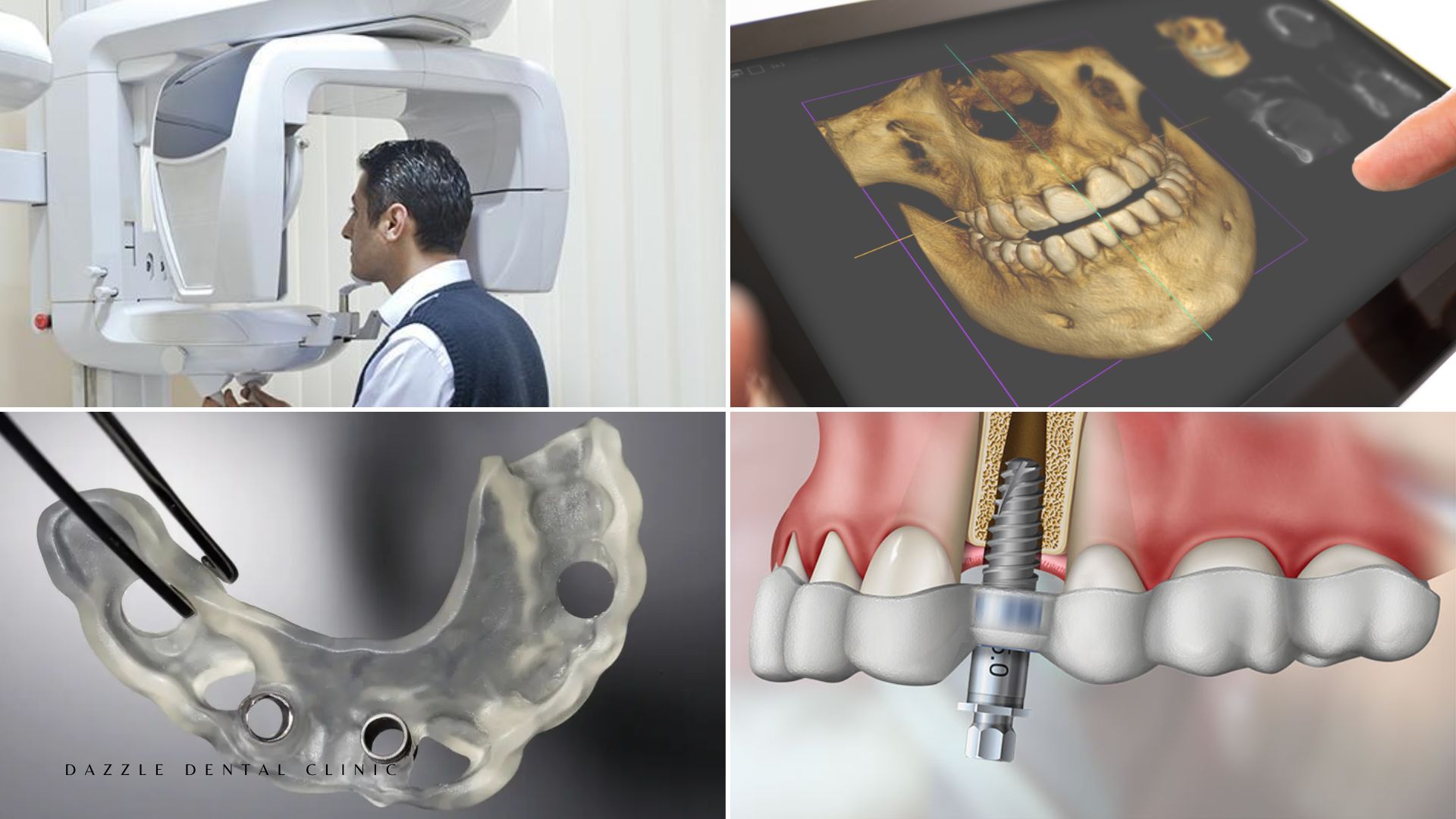
Zygomatic implants are not a procedure that any implant clinic can offer. They require a specific surgical skill set, CBCT-based planning infrastructure, the ability to fabricate a prosthetic bridge pre-surgically, and post-surgical follow-up protocols that accommodate patients who may live thousands of kilometres away. The question a patient should ask any clinic offering zygomatic implants is not whether they offer them, but what their volume and outcomes look like.
Volume and Clinical Experience
Zygomatic implant surgery is a low-frequency procedure even in specialist implant centres — the patient population that requires non-alveolar anchorage is a subset of an already specialist implant population. Dazzle Dental Clinic has placed over 10,000 implants across its clinical history, with zygomatic and pterygoid cases representing an increasing proportion of the full-arch rehabilitation volume as international patient referrals have grown. The clinical team’s familiarity with zygomatic anatomy, surgical positioning, and the management of intraoperative variations is built from repeated direct experience, not from observational training.
Training and Protocol Currency
Zygomatic implant surgical technique has evolved since Paulo Maló’s original protocol. The extrasinus approach — where the implant trajectory passes lateral to the sinus cavity — has become the preferred technique at experienced centres because it reduces the risk of post-operative sinusitis compared to the intrasinus approach. Digital planning has replaced freehand placement in experienced programmes, allowing the trajectory to be confirmed virtually before the first incision.
Dazzle’s implantologists participate in international implantology congresses (ITI, EAO, ICOI) and receive ongoing training through Nobel Biocare’s clinical programme, which includes the zygomatic implant protocol. This keeps the team’s approach aligned with current evidence rather than the technique standards that existed when training was first completed.
What International Patients Need Specifically
Patients travelling from the UK, UAE, Australia, or East Africa for zygomatic implant treatment have specific needs that differ from local patients: remote pre-surgical CBCT assessment, a defined visit schedule (not open-ended), same-day provisional bridge delivery so they can travel home with functional teeth, a WhatsApp clinical line for post-operative management during healing at home, and complete documentation for their local dentist or emergency management if needed.
All of these are standard at Dazzle for zygomatic cases. International patients do not pay differently or receive a different protocol — they receive the same clinical care with additional operational infrastructure for remote follow-up. For a full clinical guide on who qualifies, see our zygomatic candidacy assessment article.
Published Outcomes vs Clinical Marketing
The honest metric for any zygomatic implant programme is implant survival at follow-up, not the number of procedures performed or the testimonials collected. Published literature shows 95–98% implant survival at 10 years for zygomatic implants in experienced hands. Complication rates (primarily sinusitis) are in the 2–8% range and typically resolve without implant removal. At Dazzle, outcome data from zygomatic cases is followed at 3 months, 6 months, and annually, and is reviewed as part of internal clinical audit.
FAQs
Q1: How do I verify a clinic’s zygomatic implant experience before committing?
Ask for: the number of zygomatic implant cases performed in the last 12 months; before-and-after radiographic documentation from cases at 1-year follow-up; the surgeon’s specific training in zygomatic implantology (not just general implantology); and whether they use guided surgery for zygomatic placement. At Dazzle, all of this information is provided at consultation.
Q2: What implant system does Dazzle use for zygomatic cases?
Nobel Biocare zygomatic implants (Nobel Zygoma), which are the most extensively published zygomatic implant system with 10+ year follow-up data from multiple independent centres. The implant brand and model are specified in the treatment plan and discharge documentation.
Q3: What happens at the 3-month review if I am an international patient?
The 3-month review is ideally in-person at Dazzle: periapical radiographs of each implant, clinical probing of peri-implant tissue, ISQ measurement, and prosthetic assessment. For patients who cannot travel at exactly 3 months, the review can be structured to coincide with the final prosthesis visit, typically at 4–6 months. Interim remote assessment via WhatsApp photo documentation is available for any clinical concerns that arise before the review visit.
Q4: What if I experience sinusitis after zygomatic implants and I am already back home?
Sinusitis following zygomatic implants typically presents as nasal congestion, pressure in the cheek region, and sometimes post-nasal drip. It is managed with antibiotics (amoxicillin-clavulanate or equivalent) and nasal saline irrigation. Dazzle provides a post-operative complication management protocol for international patients that includes the specific antibiotic regimen to request from a local GP if sinusitis develops. In the rare case that this does not resolve, return assessment at Dazzle is arranged.