.webp)

The sinus lift is often presented to patients with upper jaw bone loss as a necessary step before implants — something that must be completed and healed (6–8 months) before implant surgery can even begin. For many patients this is accurate: conventional implants in the posterior upper jaw require bone height that the deficient ridge cannot provide, and sinus augmentation creates it. But sinus lifting is not the only pathway, and for patients with significant atrophy, it may not even be the fastest or most predictable one.
Why Sinus Lifting Became Standard
The maxillary sinus sits immediately above the posterior upper jaw. After upper teeth are lost, the sinus expands downward (pneumatisation) as the alveolar bone above the extraction sites resorbs. A lateral window sinus lift elevates the sinus floor membrane and packs the space with bone graft, creating 10–15mm of new bone height over 6–8 months. This is a well-established, evidence-backed procedure. For details on how PRF accelerates sinus lift healing, see our PRF and sinus lift guide.
When Zygomatic Implants Bypass the Sinus Entirely
Zygomatic implants anchor in the zygomatic bone (cheekbone), not in the maxillary alveolar ridge. Their anchorage is in the cheekbone, not in bone that needs to be augmented. The sinus floor position is irrelevant to zygomatic implant stability. From a timeline perspective: sinus lift + implant placement takes 6–8 months to provisional teeth; zygomatic implants allow same-day provisional bridge. From a surgical intervention perspective: sinus lift is an additional procedure before the implant surgery; zygomatic implants are the implant surgery.
When Pterygoid Implants Also Avoid Sinus Involvement
Pterygoid implants engage the pterygoid plates posterior to the sinus. Their trajectory does not pass through the sinus at all. For the rearmost posterior position in a full-arch case, pterygoid implants provide molar-region anchorage without any sinus contact. Combined with anterior conventional implants and zygomatic implants in the lateral posterior, a complete upper arch can often be reconstructed without a sinus lift.
Who Is the Better Candidate for Each Approach
Sinus lift is appropriate when: residual bone height is 5–8mm; the patient has a timeline that accommodates 6–8 months of graft healing; the sinus anatomy is suitable for elevation without high perforation risk.
Zygomatic/pterygoid approaches are appropriate when: residual bone is less than 4–5mm across the full posterior arch; the patient needs fixed teeth within weeks rather than months; previous sinus lifts have failed; or medical factors reduce graft success probability (smoking, diabetes, bisphosphonate use).
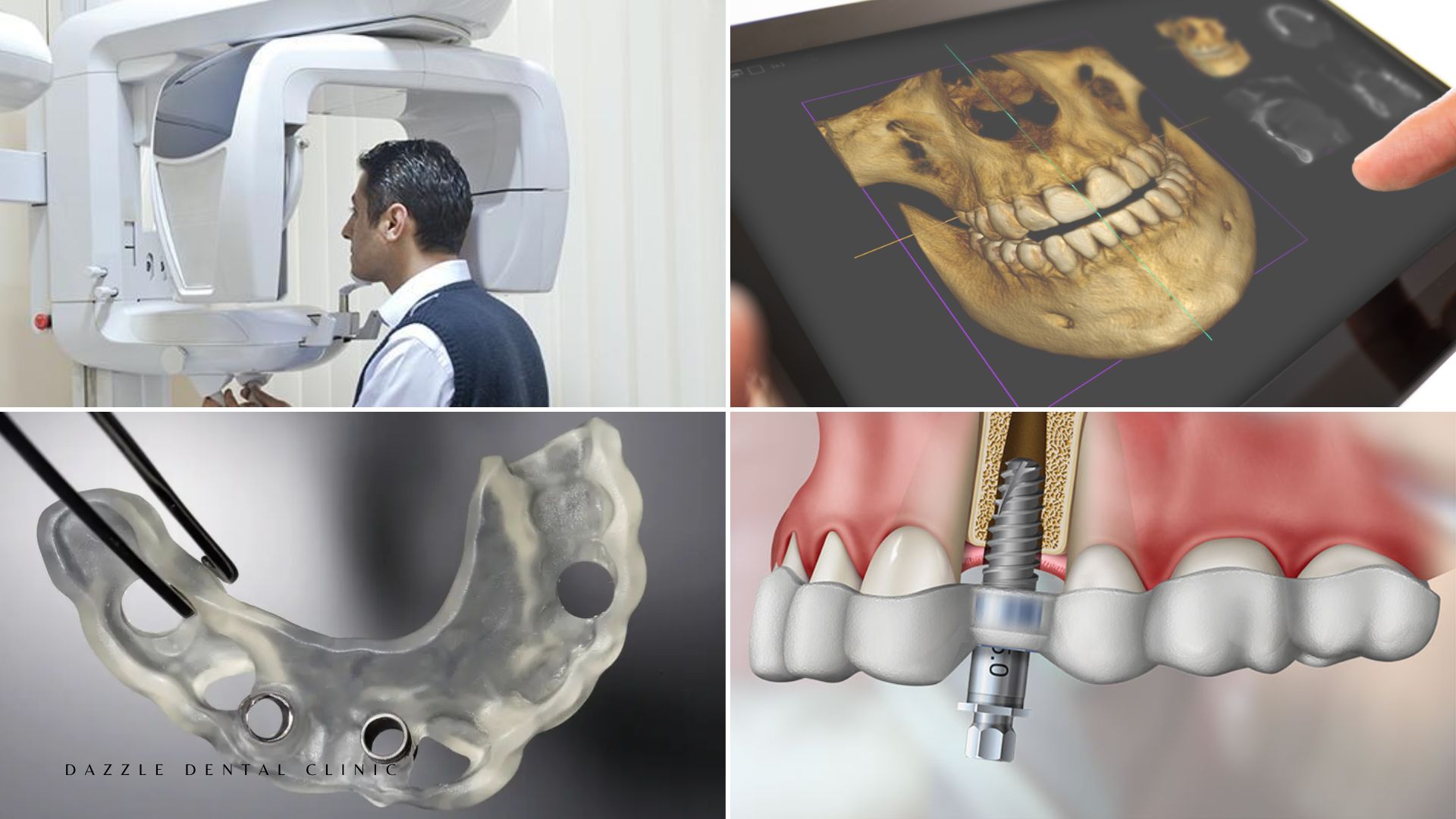
At Dazzle, the approach for each upper jaw case is determined from the CBCT. Both pathways are available and the recommendation is based on anatomy and patient circumstances, not on which technique the surgeon defaults to.
FAQs
Q1: I was told I need a sinus lift before implants. Is that always true?
Not always. It depends on the extent and location of the bone deficiency. If the posterior atrophy is severe and bilateral, zygomatic implants are frequently a faster and less staged alternative. A CBCT-based second opinion from a centre experienced in zygomatic implants will clarify whether the sinus lift recommendation is anatomically necessary.
Q2: Is the zygomatic approach more expensive than a sinus lift?
When comparing the full treatment cost — sinus lift materials + surgical fee + conventional implants + the 6–8 month wait — against zygomatic implants + same-day provisional, the total cost difference is often smaller than patients expect. At Dazzle, both pathways are costed fully at consultation so patients can compare like for like.
Q3: Can a sinus lift and zygomatic implant be combined if needed?
Yes, in specific cases. A patient may have adequate bone on one side for a sinus lift + conventional implant and require a zygomatic implant on the more atrophic side. Hybrid approaches are planned from anatomy.
Q4: How long after zygomatic surgery can I fly home?
Most international patients are fit for short-haul flights (2–4 hours) from day 4–5. Long-haul (6+ hours): day 6–7 minimum. We provide a written fitness-to-fly assessment for all international patients before departure.